How to Choose the Right Inground Pool Builders for a Long-Term Investment
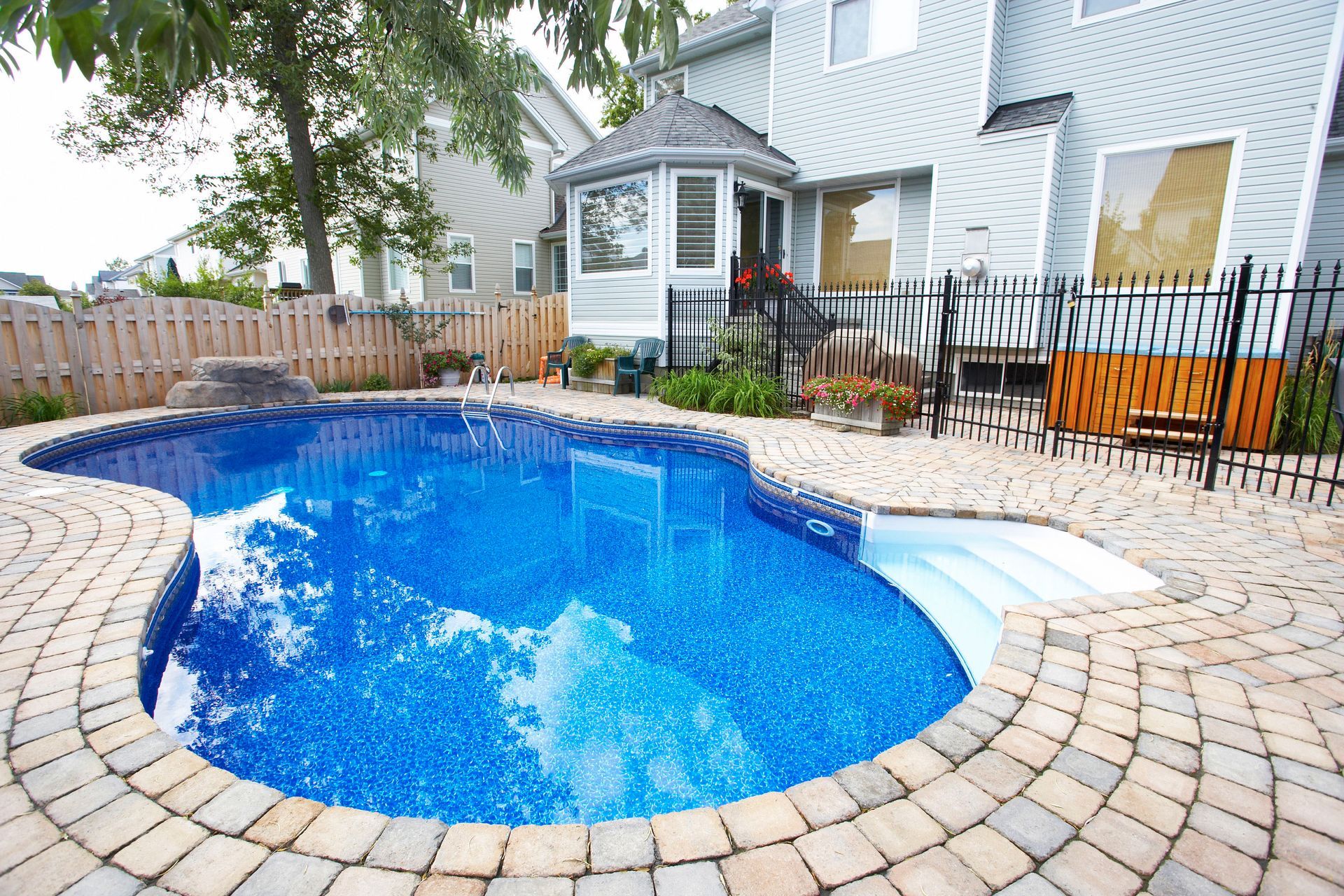
Investing in a custom residential swimming pool is one of the most substantial financial and lifestyle commitments a property owner can make. Beyond delivering immediate recreation, health benefits, and personal enjoyment, a well-engineered pool enhances the overall architectural aesthetic and market equity of your residence. However, long-term satisfaction relies entirely on the structural integrity, hydraulic efficiency, and craftsmanship applied during the initial installation phase. Poorly constructed pools can suffer from severe sub-surface settling, plumbing leaks, and premature finish degradation that cost tens of thousands of dollars to rectify. According to RubyHome, approximately 59% of all residential swimming pools across the United States are in-ground installations. Partnering with reputable inground pool builders ensures that your substantial capital investment yields a durable, low-maintenance aquatic feature that performs seamlessly across decades of family use. Thorough upfront planning guarantees that your custom pool design seamlessly integrates with your existing home landscape.
Verifying Licensing, Insurance Coverage, and Technical Certifications
The foundational step in selecting a qualified contractor involves thoroughly verifying their legal operating credentials and technical qualifications. Building a permanent outdoor aquatic structure requires specialized knowledge spanning soil mechanics, structural concrete engineering, high-pressure hydraulics, and complex electrical wiring. Professional inground pool builders should readily hold active state contractor licenses, comprehensive general liability coverage, and full workers' compensation insurance to protect homeowners against liability during excavation and construction. Additionally, top-tier contractors maintain active certifications with industry bodies such as the Pool & Hot Tub Alliance. Asking prospective contractors to provide verifiable proof of insurance and trade certifications eliminates unqualified operators and ensures your project complies with all municipal building codes and safety standards.
Assessing Construction Portfolio Experience and Material Specialization
Inground swimming pools are typically constructed using gunite concrete, composite fiberglass, or heavy-duty vinyl liner systems, each presenting distinct installation techniques and long-term maintenance requirements. When interviewing candidate contractors, focus on firms that specialize in the specific pool material and structural design you envision for your property. Seasoned inground pool builders will showcase an extensive portfolio of completed projects demonstrating versatile design capabilities, precise tile setting, and seamless coping integration. Examining past work allows property owners to evaluate aesthetic craftsmanship, structural detailing, and how gracefully the contractor integrates pools into challenging yard topographies. Selecting a specialist with deep experience in your chosen building medium minimizes construction delays and guarantees superior structural performance over time. Detailed portfolios provide tangible evidence of a contractor's technical skill across diverse soil conditions.
Investigating Subcontractor Management and Quality Control Protocols
The construction of an inground pool is a complex multi-stage process involving heavy excavation, steel rebar grid placement, plumbing installation, concrete spraying, and electrical tie-ins. Many pool companies rely heavily on third-party subcontractors to execute specific specialized trade phases of the build. Inquire directly with prospective inground pool builders about how they select, manage, and supervise their on-site subcontracted labor forces. Reputable contractors employ dedicated in-house project managers who conduct rigorous quality control inspections at every construction milestone before proceeding to subsequent steps. Clear supervisory protocols ensure that structural steel spacing, hydraulic pipe sizing, and shell thickness strictly adhere to engineering specifications rather than compromised shortcuts.
Analyzing Detailed Bidding Structures and Comprehensive Cost Estimates
Evaluating project quotes requires looking far beyond the bottom-line price tag to examine the specific quality of materials and equipment included in the scope of work. Substantially low bids often conceal substandard component choices, such as undersized circulation pumps, basic filtration units, or minimal patio deck allowances that lead to surprise change orders later. Translucent inground pool builders supply fully itemized cost estimates detailing structural shell specifications, energy-efficient pump models, automation systems, coping stone materials, and complete site restoration plans. Reviewing transparent, itemized proposals allows homeowners to make accurate apples-to-apples comparisons across competing contractors while avoiding hidden costs mid-project. Investing in high-efficiency pumps and durable equipment upfront drastically reduces ongoing monthly operational and utility expenses.
Reviewing Structural Warranties and Long-Term Service Guarantees
A pool builder’s willingness to back their work with robust, long-term warranty coverage reflects their confidence in their structural engineering and material selection. Standard pool warranties typically cover distinct components separately, including the primary structural shell, interior plaster or gelcoat finishes, plumbing lines, and mechanical equipment. Established inground pool builders offer lifetime structural warranties on gunite shells or fiberglass hulls alongside comprehensive multi-year coverage on equipment packages. Furthermore, it is essential to clarify whether the builder maintains a dedicated in-house warranty service department to address potential equipment malfunctions or plumbing leaks promptly. Comprehensive warranty protection safeguards your financial investment and gives property owners peace of mind throughout the pool's operational lifecycle. Securing written warranty commitments protects your family budget against unexpected manufacturing defects.
Navigating Local Municipal Permitting and Soil Safety Audits
Before heavy machinery breaks ground, professional contractors must navigate local zoning ordinances, setback requirements, utility easements, and environmental permitting. Subsurface soil composition and groundwater tables dictate critical engineering decisions regarding excavation shoring, gravel backfilling, and hydrostatic relief valve installation. Skilled inground pool builders conduct thorough soil tests and coordinate directly with municipal inspectors to secure all mandatory building permits before starting work. Managing the permitting process professionally avoids costly project shutdowns, municipal fines, or zoning compliance disputes after construction commences. Partnering with a builder who understands local municipal regulations ensures that your pool project progresses smoothly from site preparation through final inspection.
Evaluating Communication Practices and On-Site Project Management
Clear, consistent communication between the homeowner and project management team is vital during a multi-month outdoor construction endeavor. Unclear scheduling, unreturned phone calls, and unexpected site delays can turn an exciting home improvement project into a frustrating, stressful experience. Experienced inground pool builders establish clear communication channels from day one, assigning a single point of contact or utilizing client portal software to share daily progress updates, scheduling milestones, and payment timelines. During initial consultation meetings, pay close attention to how promptly and thoroughly representatives respond to your preliminary technical inquiries. A contractor who prioritizes open communication during sales discussions is far more likely to maintain a professional, transparent relationship during construction.
Checking Local Reputation, Client Testimonials, and References
While online ratings provide a helpful starting point, conducting thorough background checks on prospective contractors requires speaking directly with recent clients in your local area. Ask candidate firms to provide a reference list of homeowners who completed pool projects within the last two to five years. Contacting former clients allows you to inquire about the builder's punctuality, job site cleanliness, adherence to original budget limits, and how effectively they handled unexpected subterranean surprises or weather delays. Dependable inground pool builders maintain strong reputations within their local communities and take immense pride in connecting prospective buyers with satisfied past clients. Direct conversations with past customers offer invaluable insights into a builder's true work ethic.
Choosing the right contractor transforms a complex construction project into a rewarding home upgrade that provides decades of entertainment and lasting real estate value. By rigorously vetting licenses, verifying warranties, reviewing itemized estimates, and confirming past client satisfaction, property owners can move forward with complete confidence. Taking the time to select a proven team guarantees that your new pool is built to the highest structural and safety standards. Proper oversight and qualified builder selection grant peace of mind that lasts well beyond the initial splash. Contact Eicher Pools, LLC today to schedule your personalized design consultation and start building the custom inground pool of your dreams.
Share On: